
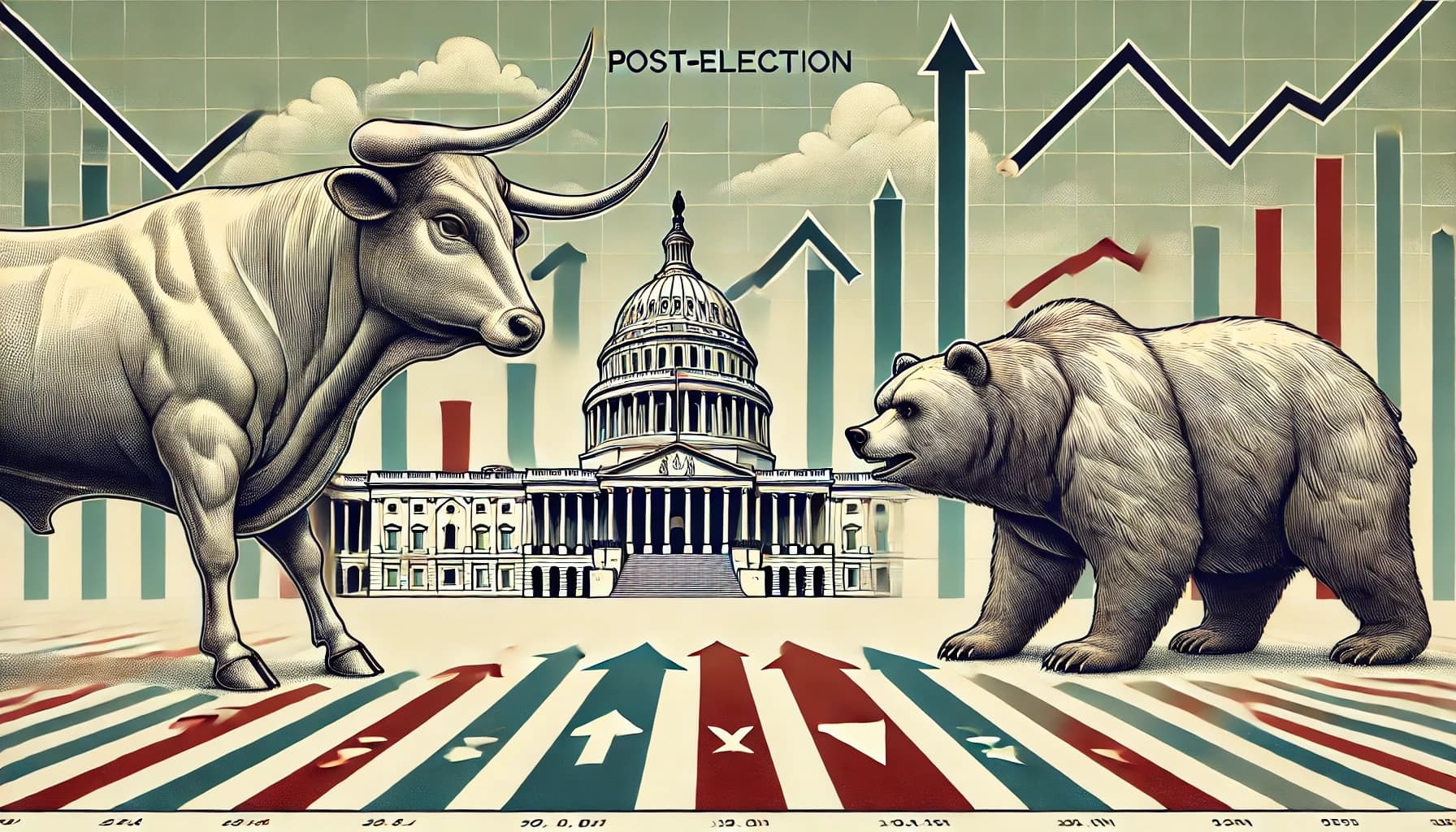
Paradigm Asset Management Co. LLC announced its comprehensive analysis and strategic outlook for navigating the new political and economic landscape following the 2024 U.S. presidential election. James E. Francis, Chair and CEO of Paradigm Asset Management, stated that the election results have ushered in a new cycle for financial markets, with the firm leveraging its proprietary Collective Intelligence approach to conduct an in-depth analysis of potential impacts on various sectors and asset classes.
In the wake of Donald Trump's victory, financial markets experienced significant volatility and shifts across various sectors. Major indices reached new highs, with the Dow Jones Industrial Average jumping 2.3%, the S&P 500 climbing 2.1%, and the Nasdaq Composite rising 1.9%. The analysis examines immediate market reactions and potential long-term implications across multiple sectors, including energy, financial, technology, and healthcare.
The energy sector saw traditional oil and gas companies gain 4-5%, while renewable energy stocks faced pressure. Major banks in the financial sector experienced stock price increases of 3-4%, though the long-term outlook remains mixed. Technology sector analysis shows cautious optimism, with potential benefits from corporate tax cuts balanced against concerns about immigration policies and antitrust actions. Healthcare sector volatility was observed due to uncertainty surrounding potential changes to the Affordable Care Act.
Regarding asset class impact, U.S. equities, particularly small-cap stocks, are expected to benefit from pro-growth policies. Bond yields are expected to rise, presenting challenges for existing bondholders but opportunities for new investments. Traditional energy commodities are likely to benefit, while precious metals may see decreased demand. The U.S. dollar strengthened initially but faces long-term uncertainty.
Francis emphasized the importance of looking beyond short-term market reactions, noting that Paradigm's data-driven approach allows identification of long-term trends that may not be immediately apparent. The firm is particularly focused on how fiscal policy, trade relations, and the regulatory environment will shape market dynamics over the next four years. Gregory Pai, Partner & Managing Director at Paradigm, added that the team's diverse perspectives combined with data-driven approach allow for nuanced insights beyond traditional market analysis.
Paradigm recommends maintaining a diversified portfolio across sectors and asset classes, regularly reassessing and rebalancing portfolios to align with changing market conditions, and considering increased allocation to domestic-oriented companies likely to benefit from proposed policies. The firm also suggests keeping an eye on infrastructure-related investments as a potential area of bipartisan agreement and being prepared for increased market volatility with robust risk management strategies.
While elections can significantly impact short-term market movements, Paradigm's approach focuses on fundamental economic factors that drive long-term investment success. The analysis suggests that increased global tensions and policy uncertainty necessitate a cautious approach, with the firm's use of collective intelligence enhancing its ability to navigate complex market conditions in this evolving economic and political terrain.
