
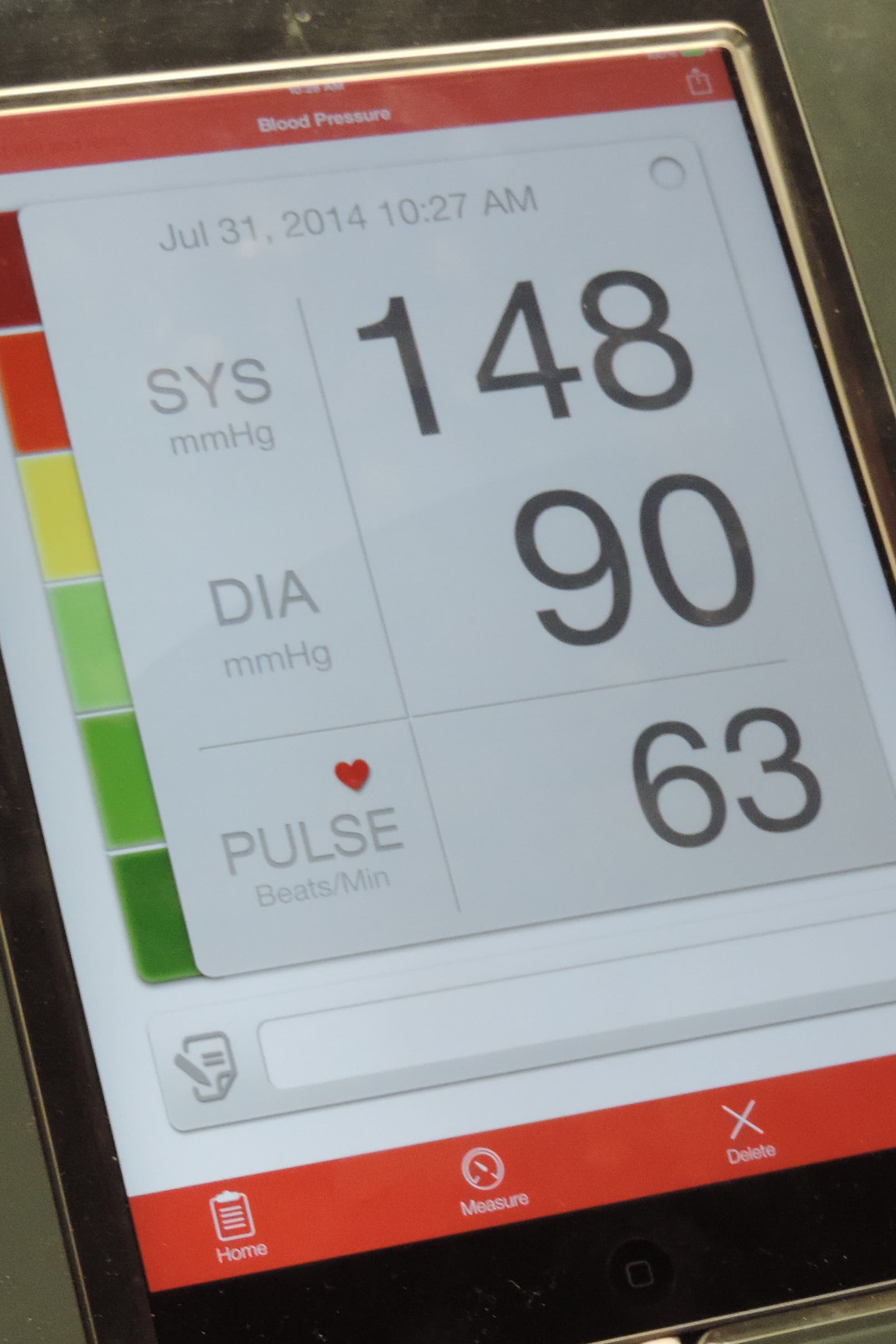
A new system combining high-speed video and an artificial intelligence algorithm may offer quick, non-contact screenings for high blood pressure and Type 1 or Type 2 diabetes without requiring blood tests, blood pressure cuffs, or expensive wearable devices, according to a preliminary study to be presented at the American Heart Association's Scientific Sessions 2024. The research, still in early development in Japan, detected blood pressure and diabetes by analyzing subtle changes in blood flow captured through 5- to 30-second videos of the face and palm.
The system achieved 94% accuracy in detecting stage 1 hypertension compared to continuous blood pressure monitor measurements, while a 30-second video/algorithm combination was 86% accurate in identifying above-normal blood pressure and a 5-second version was 81% accurate. For diabetes detection, the system showed 75% accuracy compared to hemoglobin A1c blood test results. Study author Ryoko Uchida noted that blood flow changes are a logical marker for diabetes given its association with peripheral neuropathy and blood vessel damage.
This technology could eventually enable people to monitor their health at home, potentially leading to earlier detection and treatment for those who avoid medical exams and blood tests. However, several improvements are needed before real-world application, including accounting for arrhythmias and developing affordable sensors that use essential wavelengths. The researchers hope to seek U.S. Food and Drug Administration approval for an at-home diabetes detection device once accuracy improves.
Eugene Yang, clinical professor of medicine at the University of Washington, called the research exciting for its potential to non-invasively diagnose two major cardiovascular risk factors but emphasized that validation is lacking and current technologies must use validated devices until proper protocols are established. The study involved 215 predominantly Japanese and Asian adults with an average age of 64, and results may not generalize to other populations or different lighting conditions. The findings are considered preliminary until published in a peer-reviewed journal.