
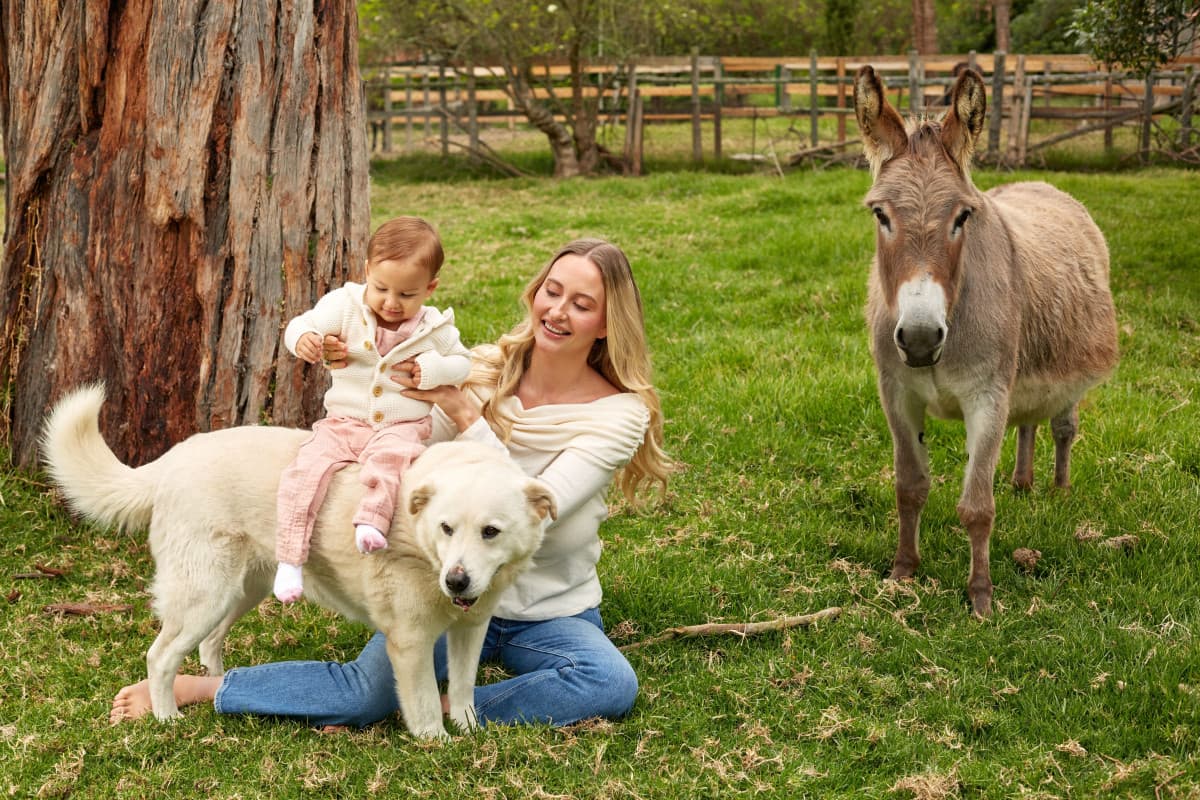
The opening of Search Atlas Animal Sanctuary in Medellín, Colombia represents a significant development in sustainable animal rescue models, as it establishes a permanent refuge funded through corporate social responsibility initiatives. Sophia Deluz, Chief Operating Officer of Search Atlas, and Manick Bhan, Founder and CEO, announced the sanctuary's opening this month, with the facility currently housing more than 30 rescued animals including donkeys, dogs, cats, sheep, chickens, a rabbit, and a mother cow with her calf saved from slaughter.
What makes this announcement particularly important is the sanctuary's sustainable funding model, where a portion of proceeds from Search Atlas supports daily operations. This creates a reliable financial foundation that distinguishes it from many animal rescue organizations dependent on inconsistent donations. The sanctuary was specifically designed to provide permanent care for animals requiring long-term support, including senior dogs, farm animals rescued from unsafe conditions, and animals needing specialized medical attention.
The connection between the technology company and animal welfare initiative demonstrates how corporate success can be leveraged for social good. "Opening an animal sanctuary has been a dream since the beginning of our relationship," said Sophia Deluz, who serves as both COO of Search Atlas and co-founder of the sanctuary. "We're grateful that the success of Search Atlas has allowed us to turn that dream into a safe, permanent home for animals who need a home." This model suggests a replicable approach for other companies seeking to integrate social responsibility into their business operations.
The sanctuary's implications extend beyond immediate animal welfare to potentially influencing corporate philanthropy trends. By establishing a direct, ongoing relationship between business profits and social initiatives, Search Atlas has created a case study in sustainable corporate giving. Each resident animal receives comprehensive veterinary care, proper nutrition, and an environment designed around specific needs, ensuring quality of life rather than temporary shelter. The location in Medellín, Colombia adds an international dimension to the initiative, addressing animal welfare needs in a region where such permanent facilities may be less common.
This development matters because it represents a shift from traditional charitable models to integrated social responsibility, where business success directly funds and sustains humanitarian efforts. The sanctuary's permanent status provides stability for rescued animals who might otherwise face uncertain futures, while the funding mechanism offers a blueprint for other companies to follow. As corporate social responsibility continues to evolve, initiatives like Search Atlas Animal Sanctuary demonstrate how businesses can create lasting positive impact through strategically aligned philanthropic investments.