
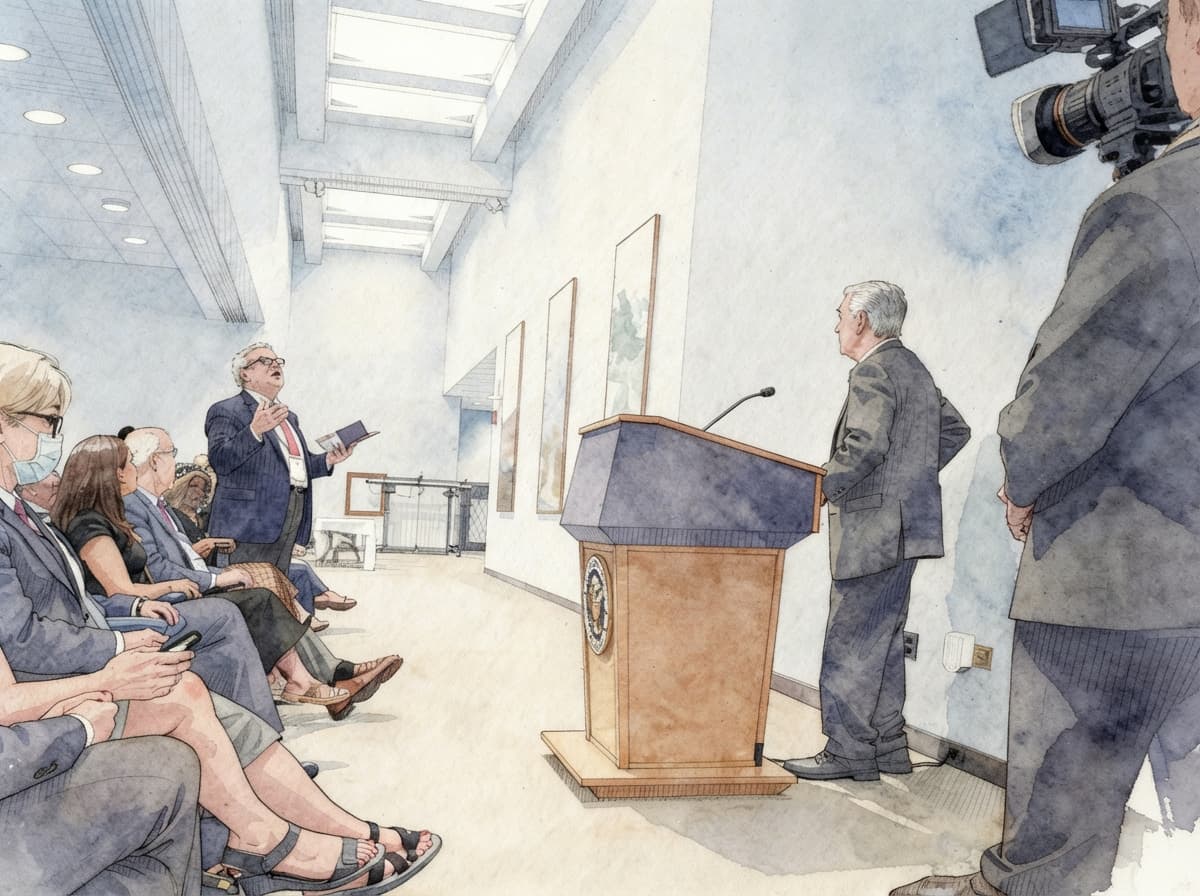
The recent defeat of a Colorado legislative proposal that would have empowered local districts to impose vacancy taxes represents more than just a policy outcome—it signals the growing effectiveness of organized real estate advocacy in shaping housing legislation. While the bill itself did not directly create a tax, it would have established the mechanism for local jurisdictions to implement such measures, potentially affecting second homeowners in markets like Vail and Telluride. The proposal's failure in committee illustrates how coordinated industry action can influence legislative processes that directly impact property ownership.
Mark Gordon, broker and co-owner of Christiania Realty in Vail and a National Association of Realtors director for Colorado, played a significant role in opposing the measure. Gordon emphasizes that this victory demonstrates how advocacy, when executed strategically, produces tangible results for the industry and homeowners. His involvement extends beyond this single issue through multiple leadership positions, including chairing the Insight Advisory Committee for the Colorado Association of Realtors, where he helps identify emerging trends before they become mainstream concerns.
The Insight Advisory Committee, which Gordon chairs, focuses on anticipating future challenges rather than reacting to current headlines. During its first 2026 meeting, the committee discussed several critical issues including Wall Street's increasing involvement in residential real estate, regulatory scrutiny from the Department of Justice, and the nationwide implications of the NAR settlement on agent business practices. Artificial intelligence's role in the industry also emerged as a key topic, with Gordon advocating for balanced adoption that enhances rather than replaces human expertise.
Gordon's advocacy extends to federal engagement, as demonstrated when he questioned Colorado senators Michael Bennet and John Hickenlooper about homeowner insurance availability during an industry trip to Washington, D.C. He argues that issues like insurance accessibility and housing affordability transcend partisan politics and require organized representation at all government levels. The vacancy tax proposal's defeat serves as concrete evidence that coordinated industry participation in legislative processes can protect homeowner interests.
For real estate professionals observing from outside formal advocacy channels, Gordon's experience offers a clear lesson: engagement in policy discussions yields measurable benefits. The vacancy tax proposal failed precisely because affected parties—including realtors and second homeowners—participated in the legislative process. This outcome reinforces Gordon's assertion that organized advocacy represents both a professional responsibility and a business imperative for those in the real estate industry. The result in Colorado establishes a precedent for how industry collaboration can influence housing policy decisions that affect property values and ownership opportunities statewide.