
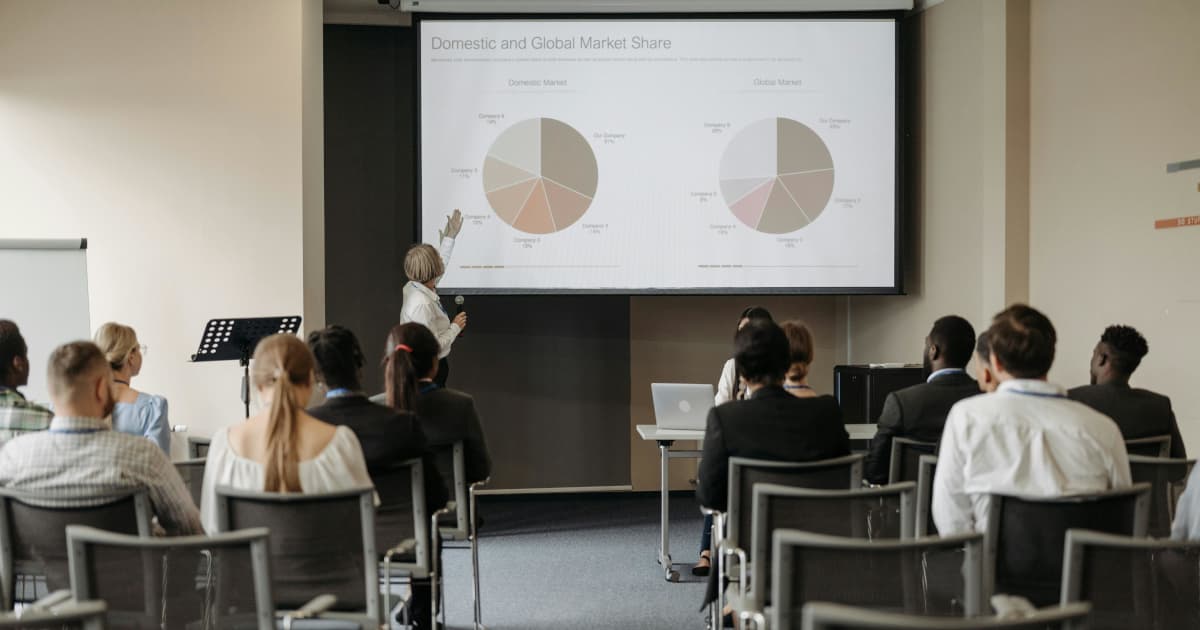
From November 18–22, 2026, thousands of anthropologists will gather at America's Center Convention Complex in St. Louis for the American Anthropological Association's (AAA) 2026 Annual Meeting. Under the theme "On the Verge," the conference will examine what it means to live through profound transitions and how anthropology helps navigate the choices facing individuals, communities, and institutions. The meeting arrives at a critical moment when artificial intelligence reshapes work, climate change transforms communities, misinformation erodes public trust, and societies grapple with rapid cultural and technological shifts.
Anthropology is not merely an academic pursuit; its insights shape public health campaigns, improve artificial intelligence, preserve cultural heritage, inform education, guide business strategy, strengthen communities, and influence public policy. In an increasingly interconnected world, the discipline provides the human perspective needed to address complex challenges. "We're living through a moment when technology is changing the world, but people determine what that change means," said Ady Arguelles-Sabatier, CEO and Executive Director of the AAA. "The questions we're facing aren't only technical. They're deeply human. Anthropology helps us understand how people respond to change, what communities need to thrive, and how we make better decisions together."
Over five days, attendees will exchange research, debate emerging ideas, and forge interdisciplinary partnerships on issues ranging from migration and Indigenous sovereignty to environmental resilience and technological innovation. The conference brings together researchers, educators, students, museum professionals, policymakers, and practitioners from universities, museums, healthcare systems, nonprofits, government agencies, and the private sector. For many, the Annual Meeting is a career catalyst: graduate students connect with mentors, early-career professionals meet future employers, and experienced researchers discover new perspectives that influence their work for years.
Among the featured speakers is Agustín Fuentes, a Princeton University anthropologist and bestselling author whose work bridges anthropology, biology, and psychology. His Distinguished Lecture is expected to be a signature event. The choice of St. Louis is fitting, given its proximity to Cahokia Mounds, a UNESCO World Heritage Site preserving the largest pre-Columbian city north of Mexico, and its central location, which makes it accessible for attendees from across the United States and around the world. The meeting will also provide an economic boost to the region, supporting local hotels, restaurants, attractions, and businesses.
As understanding people becomes ever more crucial, the AAA invites scholars, practitioners, students, and lifelong learners to join conversations that will help shape what comes next. Learn more at www.americananthro.org.