
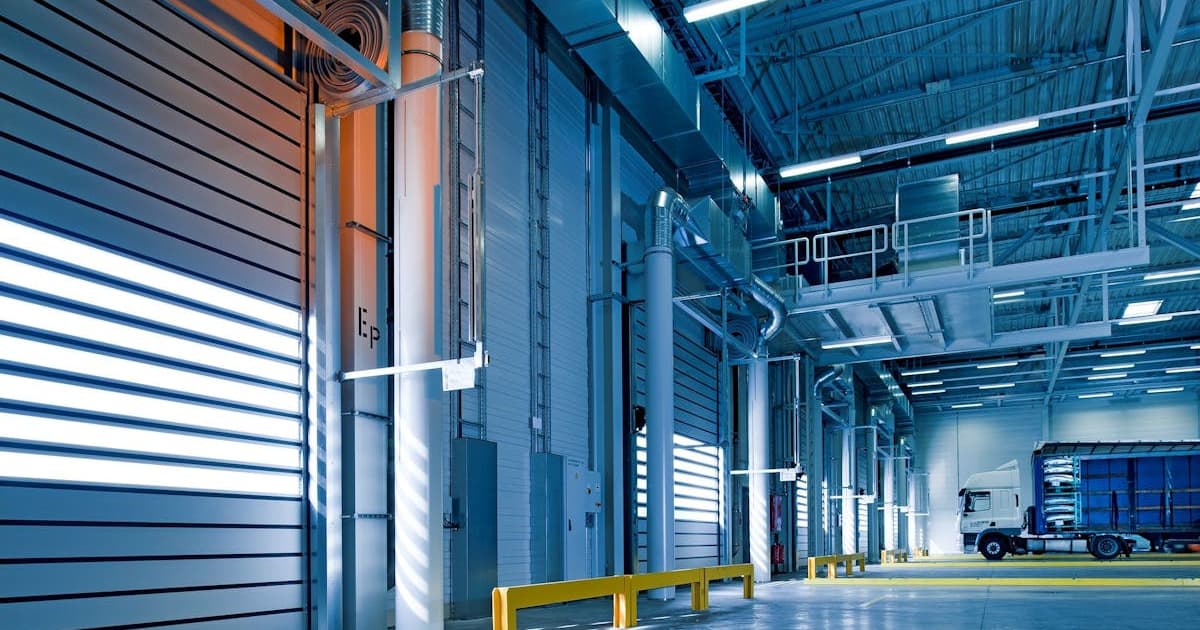
Artificial intelligence is typically framed around models, chips and data centers, but every AI processor must first be packaged, inspected and shipped in volume, and that work happens on factory floors. The nine largest cloud providers are expected to spend about $830 billion on capital expenditures in 2026, according to TrendForce estimates, and converting that spending into working hardware depends on the automation and inspection equipment behind it.
Nightfood Holdings Inc. (OTCQB: NGTF), doing business as TechForce Robotics, is moving into that layer of the supply chain. The company has acquired specified CoWoS automated optical inspection technology and plans a 20,000-square-foot manufacturing facility in Taiwan. It is targeting initial shipments in late November or early December 2026, subject to production readiness and customer orders.
The announcement matters because CoWoS, or chip-on-wafer-on-substrate, is the advanced packaging platform used to assemble high-bandwidth memory with logic dies for AI accelerators. Optical inspection at that stage is not a peripheral step; defects caught late in packaging can waste already-expensive silicon and delay shipments. As hyperscaler budgets scale toward the $830 billion figure, any constraint in packaging and inspection capacity can ripple through the entire supply chain, making equipment suppliers a strategic chokepoint rather than a footnote.
Nightfood is positioning itself alongside established players such as NVIDIA Corporation (NASDAQ: NVDA), Advanced Micro Devices Inc. (NASDAQ: AMD) and Applied Materials Inc. (NASDAQ: AMAT), a comparison that underscores how central inspection automation has become to the AI buildout. The company's stated commitment to strengthening its position as an innovator in the broader AI and automation ecosystem signals that smaller equipment specialists see an opening created by demand that larger players cannot fully absorb alone. The profile of the company illustrates a pivot toward industrial automation rather than software, a distinction that may matter as investors look for exposure beyond chip designers.
For the wider market, the implication is that the AI trade is broadening. The equipment that verifies and moves chips through packaging lines is becoming a determinant of how quickly capital expenditure becomes revenue-generating compute. Coverage distributed through editorial syndication to 5,000+ outlets and social media distribution increasingly focuses on these second-order beneficiaries, and the full analysis is available via Read More >>. Whether Nightfood meets its late-2026 shipment target will be an early test of whether new entrants can ease the inspection bottleneck that the AI boom has exposed.