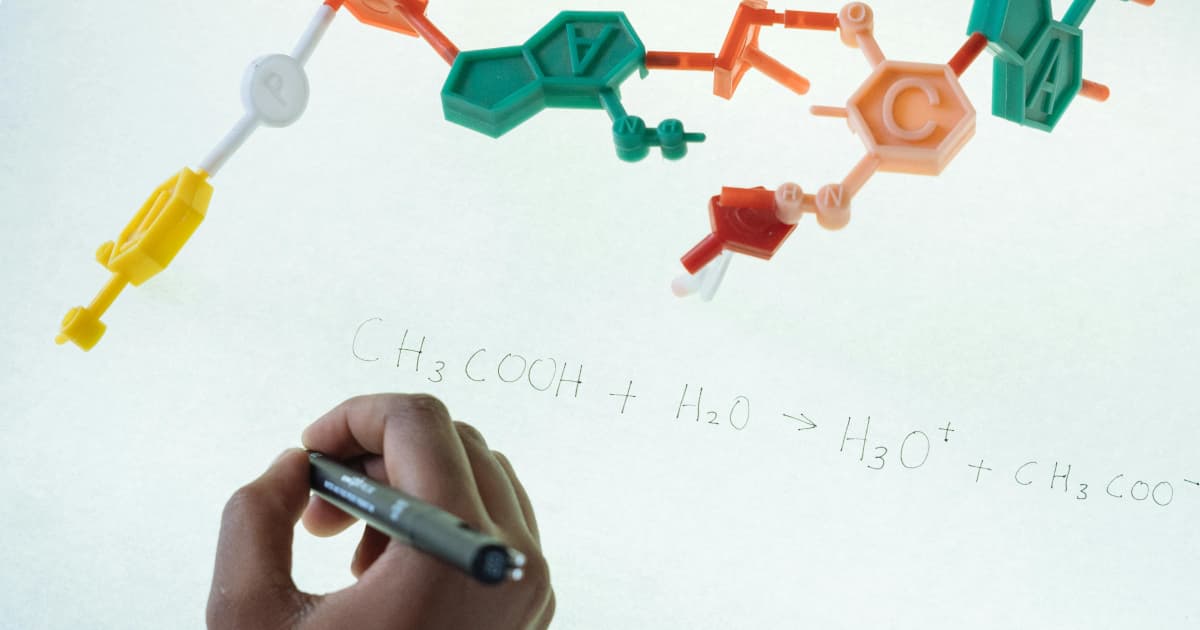
The integration of artificial intelligence, multi-omics technologies, and advanced experimental methods is fundamentally transforming modern pharmaceutical research according to a recent review published in Current Pharmaceutical Analysis. These computational methodologies have been extensively applied across various stages of drug development, enhancing research and development efficiency and expediting the time-to-market for novel therapeutics. The rapid rise of AI and big data analytics has presented new opportunities for pharmaceutical research and development, significantly impacting drug discovery timelines that traditionally required 10-15 years from discovery to market with pre-approval costs exceeding US$2.558 billion.
AI-powered approaches dramatically reduce timeframes through rapid screening of potential drug candidates and more accurate prediction of drug properties. The review highlights how combining genomics, proteomics and metabolomics data enables researchers to better understand drug mechanisms and predict patient responses, leading to more precise and personalized treatment strategies particularly in complex diseases like cancer. This integration addresses the traditionally high failure rates in drug development where only 13.8% of candidate drugs ultimately obtain regulatory approval following Phase I clinical trials.
An important methodological innovation discussed in the study is the application of federated learning, which allows multiple institutions to collaborate on drug development while maintaining data privacy. This approach addresses one of the major challenges in pharmaceutical research: the need for large, diverse datasets while protecting sensitive information. The findings demonstrate how modern computational tools can help transform pharmaceutical research from a largely trial-and-error process into a more precise, efficient, and personalized approach to drug development, though challenges remain in drug development complexity, cost-effectiveness, and operational feasibility according to the review available at https://doi.org/10.1016/j.cpan.2024.11.001.